← All guides · Travel & Heritage
Cuba's Endemic Animals, Birds and Plants: A Nature Guide
A guide to Cuba's nature: the bee hummingbird, the Cuban trogon, the Cuban crocodile, the solenodon, Polymita snails and the corcho palm. Where to see them and what you can't take home.
Updated November 28, 2026
Cuba is the largest island in the Caribbean and has been cut off from the mainland for millions of years. That's why many of its plants and animals live nowhere else on Earth: they are endemic. This guide covers the best-known species, where to see them, and what the law says about taking them home.
Conservation statuses come from the IUCN Red List (International Union for Conservation of Nature), checked in November 2026 through BirdLife International and other sources. They can change with new assessments.
In short
- Birds: Cuba has 25 to 28 endemic bird species, depending on the classification used. One of them is the bee hummingbird, the smallest bird in the world.
- Plants: about half of Cuba's native plants are endemic.
- Unique animals: the Cuban crocodile, the Cuban solenodon (almiquí), the Desmarest's hutia (jutía conga), the Cuban boa and Polymita snails.
- Where to see them: the Zapata Swamp, Alejandro de Humboldt National Park, Guanahacabibes and the Sierra del Rosario are the best-known areas.
- Don't take them home: exporting Polymita shells, coral, hawksbill (carey) or protected birds without an environmental licence is banned, and Customs confiscates them.
Tocororo, mariposa and royal palm
Cuban law (Ley 128 of 2019) recognizes three national symbols: the flag, the anthem and the coat of arms. Alongside them, tradition and schools honor three emblems from nature:
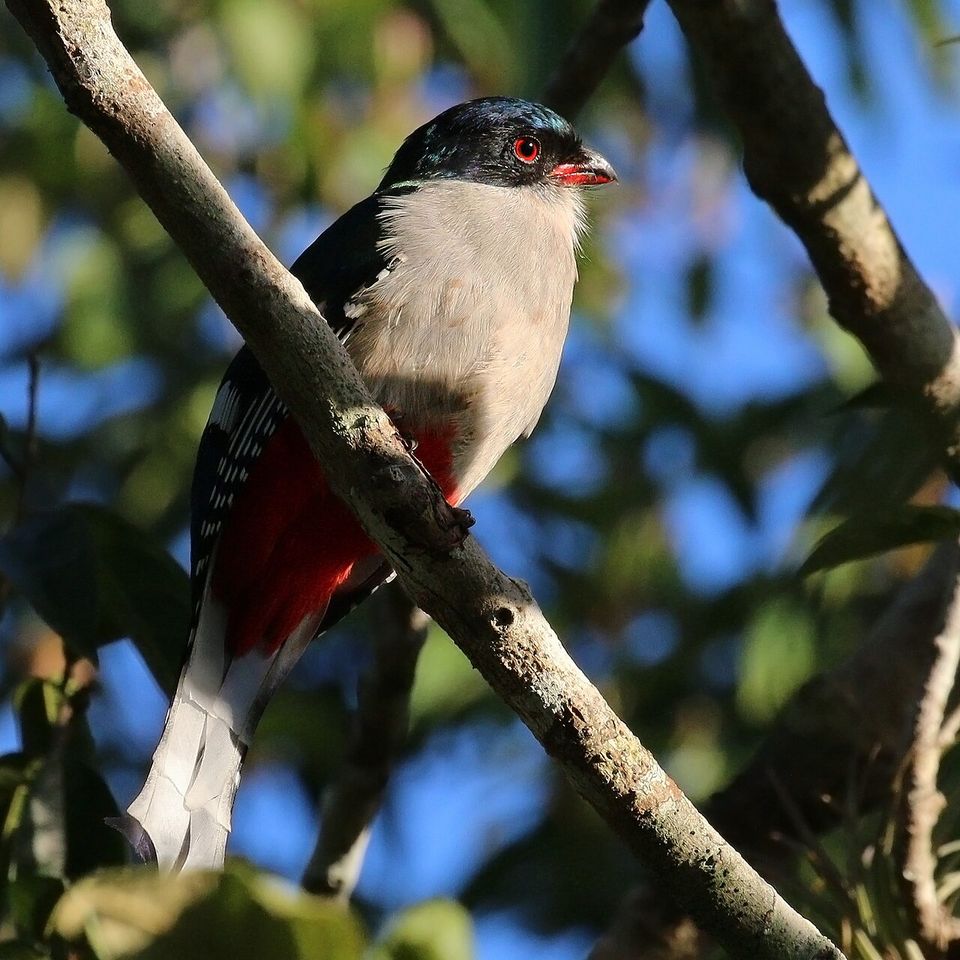
- The tocororo or Cuban trogon (Priotelus temnurus), the national bird. It is endemic to Cuba, and its plumage has the colors of the flag: blue, white and red.
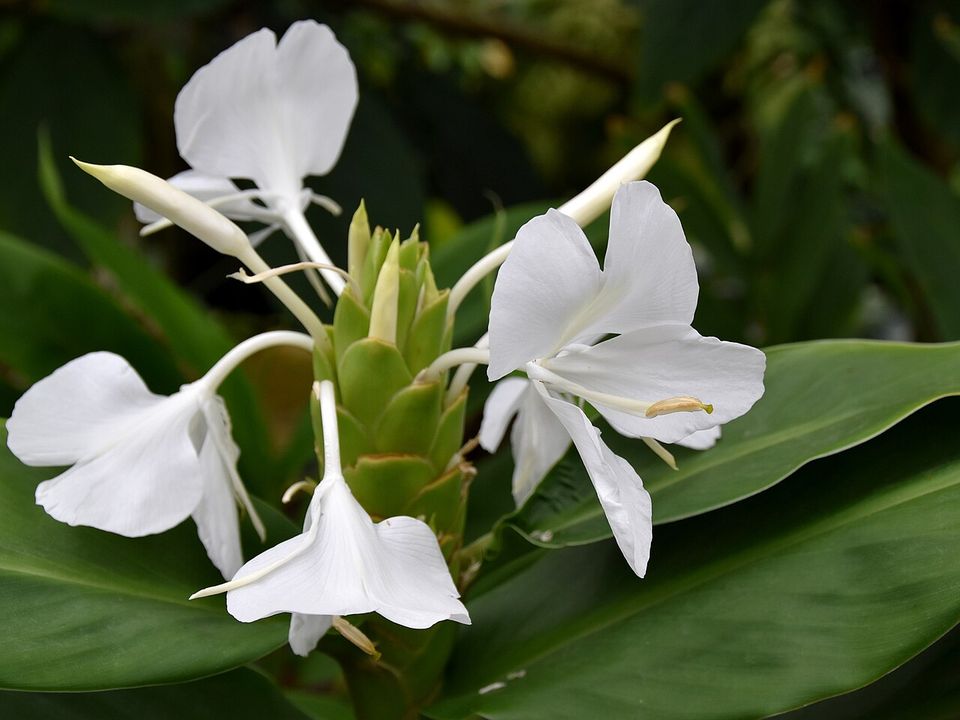
- The mariposa or white ginger lily (Hedychium coronarium), the national flower. It is white and very fragrant, and tradition says women fighters in the independence wars (mambisas) wore it. It isn't native: it comes from Asia and became naturalized in Cuba.
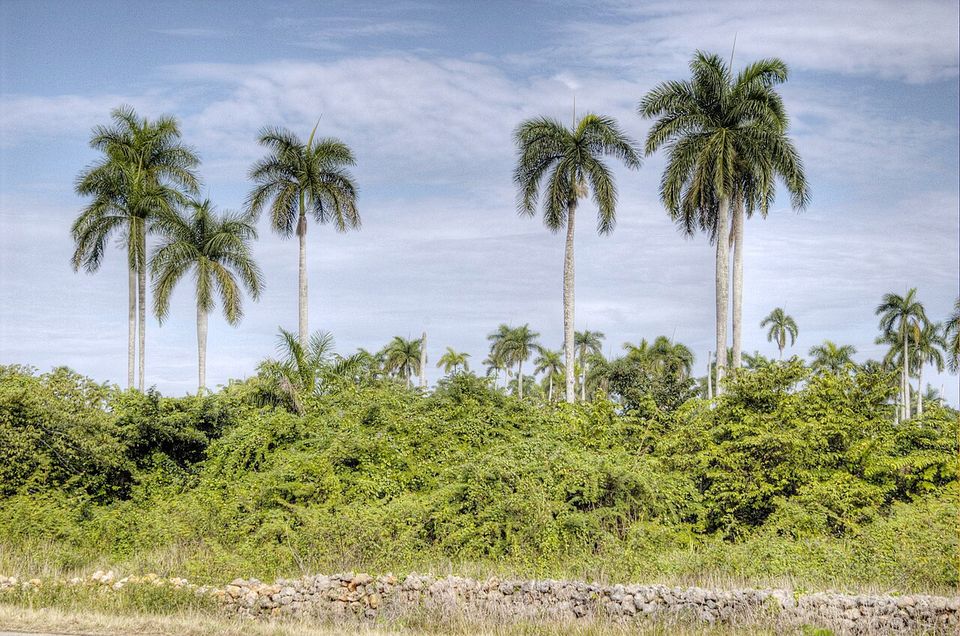
- The royal palm (Roystonea regia), the national tree. It appears on the coat of arms and grows all over the Cuban countryside. It is native but not endemic: it also grows on other Caribbean islands, in Florida, Mexico and Central America.
Endemic birds
The exact number of endemic birds depends on the taxonomy. Recent lists give between 25 and 28 species; the difference comes down to birds such as the Cuban bullfinch or the giant kingbird, which some authors count and others don't.
The bee hummingbird
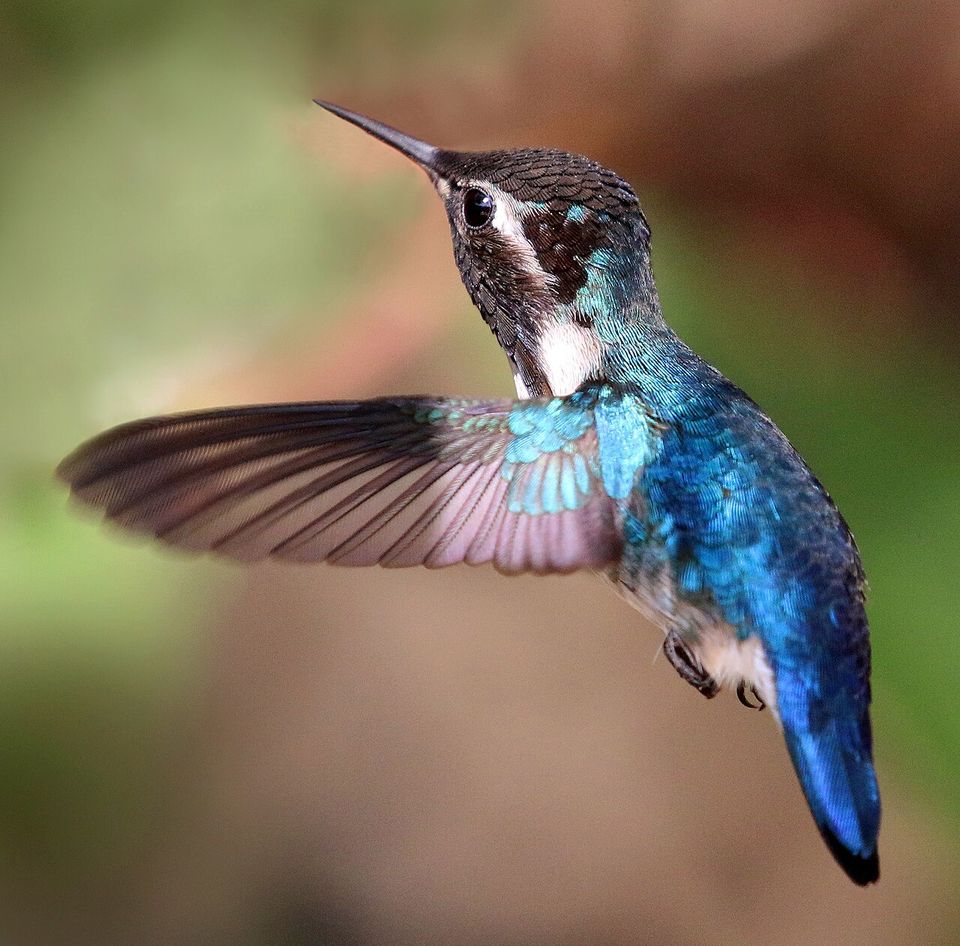
The bee hummingbird (zunzuncito, Mellisuga helenae) is the smallest bird in the world: the male is about 5.7 cm (2.2 in) long and weighs around 1.6 grams. It lives in forests and scrub across the island, but it's easiest to see in places like the Zapata Swamp and Guanahacabibes.
According to BirdLife International, 22,000 to 66,000 adults remain and the population is falling because of forest loss. The IUCN lists it as Near Threatened (2021 assessment).
Cuban trogon and Cuban tody
- Cuban trogon (tocororo): the national bird lives in forests throughout Cuba and is known for the call that gives it its Spanish name. It is listed as Least Concern.
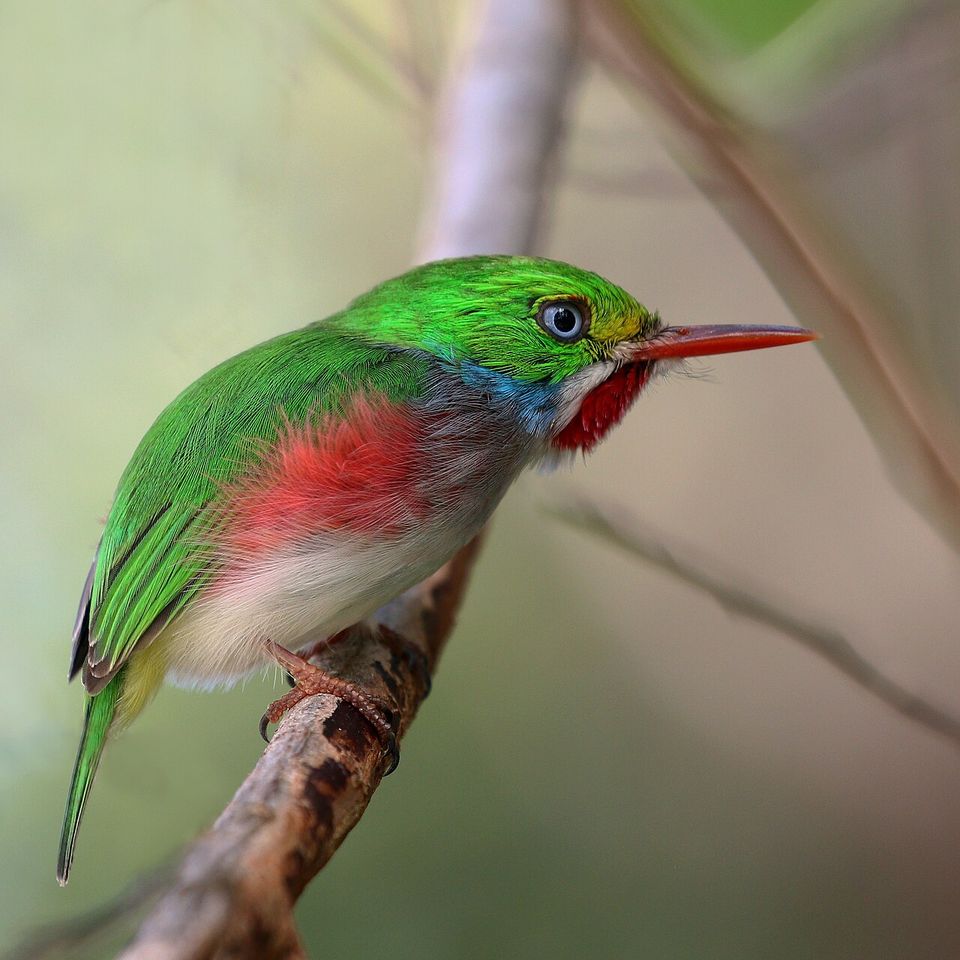
- Cuban tody (cartacuba, Todus multicolor): small and green with a red throat. It nests in tunnels it digs into earth banks. Also Least Concern.
The birds of the Zapata Swamp
The Zapata Swamp (Ciénaga de Zapata), in Matanzas, is the most famous birding area in Cuba. Three species found only in Cuba live there and are named after it:
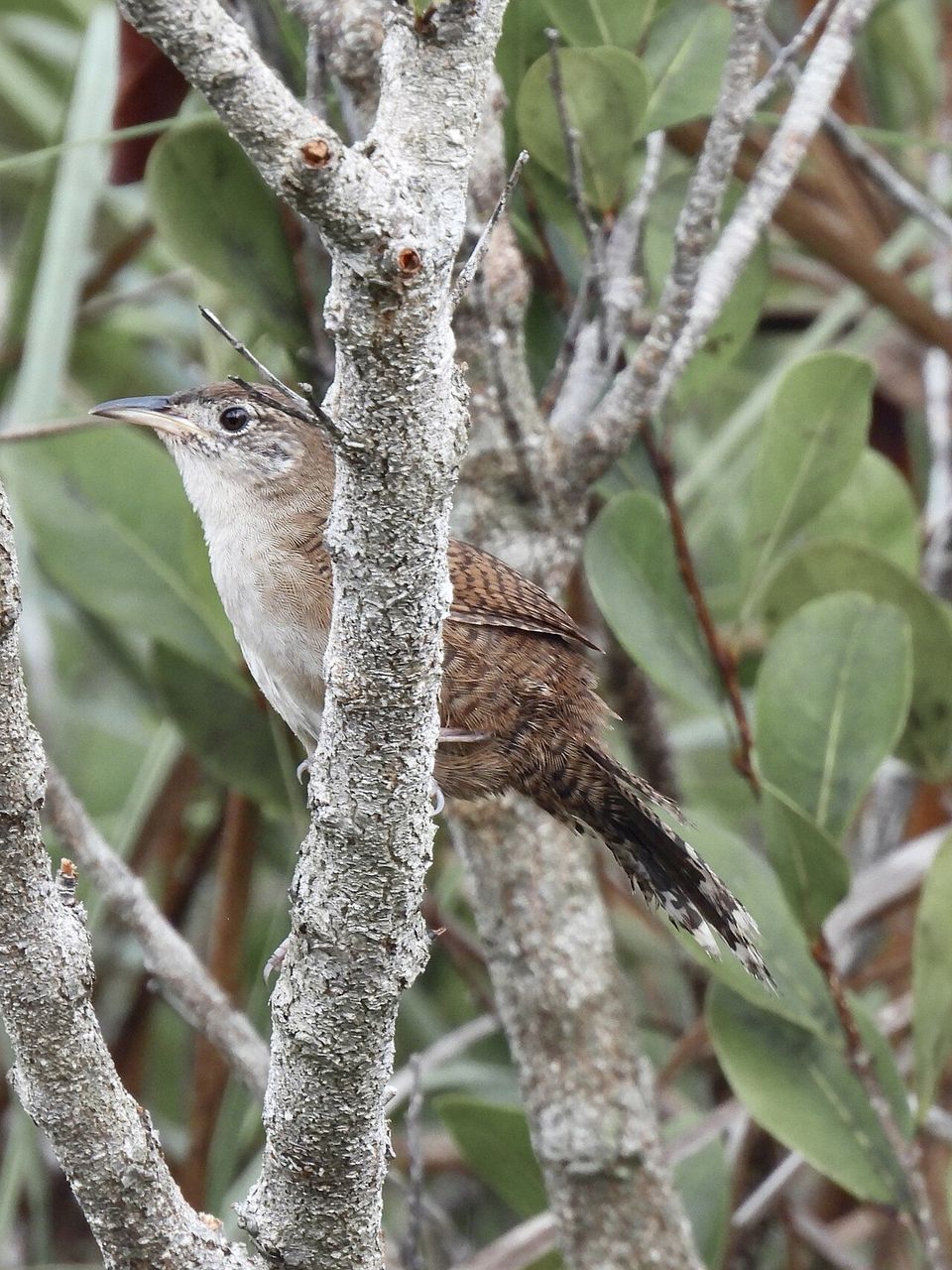
- Zapata wren (ferminia, Ferminia cerverai): 600 to 1,700 adults remain. Endangered.
- Zapata rail (gallinuela de Santo Tomás, Cyanolimnas cerverai): heard far more often than seen. 50 to 249 adults remain. Critically Endangered.
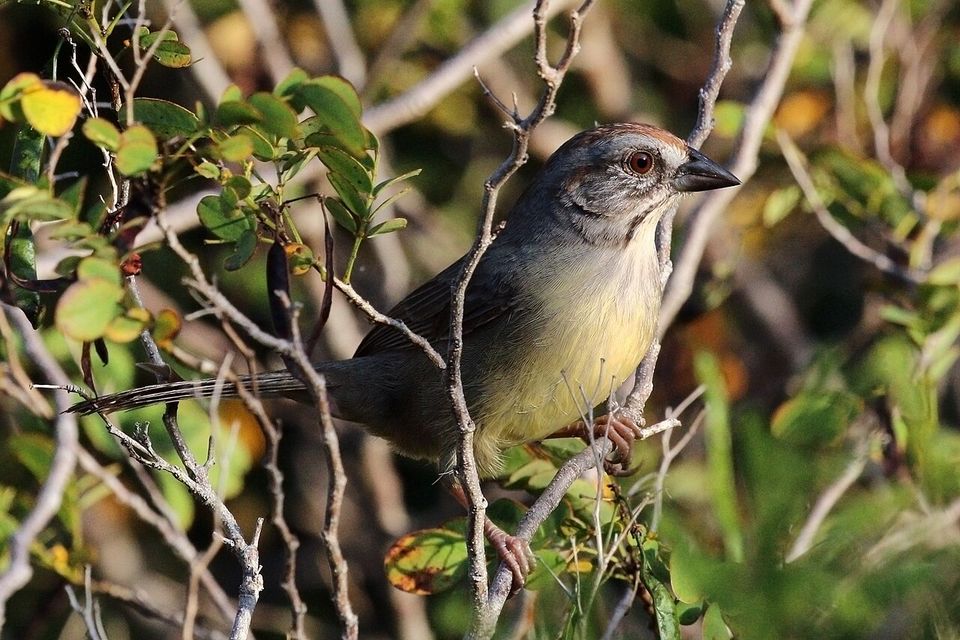
- Zapata sparrow (cabrerito de la Ciénaga, Torreornis inexpectata): a sparrow of the swamp's grasslands.
Other birds birders look for
- Cuban parakeet (catey, Psittacara euops): Vulnerable.
- Cuban kite (gavilán caguarero, Chondrohierax wilsonii): 50 to 249 adults, Critically Endangered.
- Gundlach's hawk (gavilán colilargo, Accipiter gundlachi): Endangered.
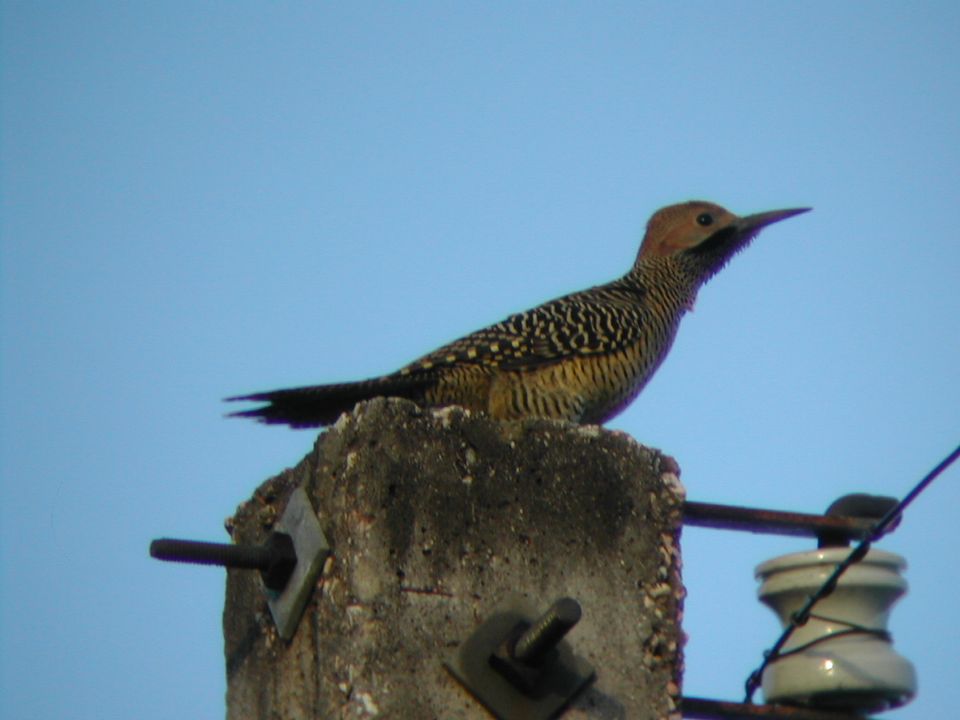
- Fernandina's flicker (carpintero churroso, Colaptes fernandinae): Endangered since 2021.
- Blue-headed quail-dove (paloma perdiz, Starnoenas cyanocephala): Endangered.
- Cuban pygmy-owl (sijú platanero), Cuban nightjar (guabairo), Cuban blackbird (totí), Cuban oriole (solibio), yellow-headed warbler (chillina), Oriente warbler (pechero) and Cuban vireo (juan chiví), all endemic.
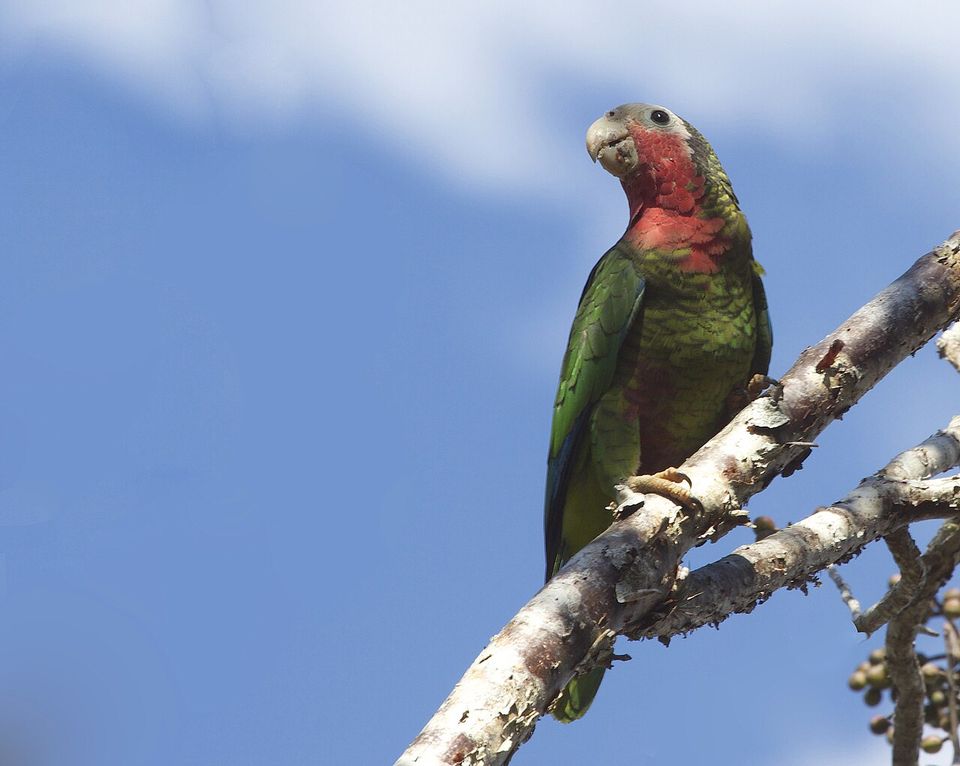
The Cuban parrot (cotorra, Amazona leucocephala) is a symbol of the Cuban countryside, but it isn't strictly endemic: it also lives in the Bahamas and the Cayman Islands. The IUCN lists it as Near Threatened.
The ivory-billed woodpecker
The ivory-billed woodpecker (carpintero real, Campephilus principalis), one of the largest woodpeckers in the world, once lived in the forests of eastern Cuba. The last accepted record in Cuba is from March 1987, at Ojito de Agua, now inside Alejandro de Humboldt National Park. The IUCN keeps it as Critically Endangered (possibly extinct); it has not been declared extinct.
Other endemic animals
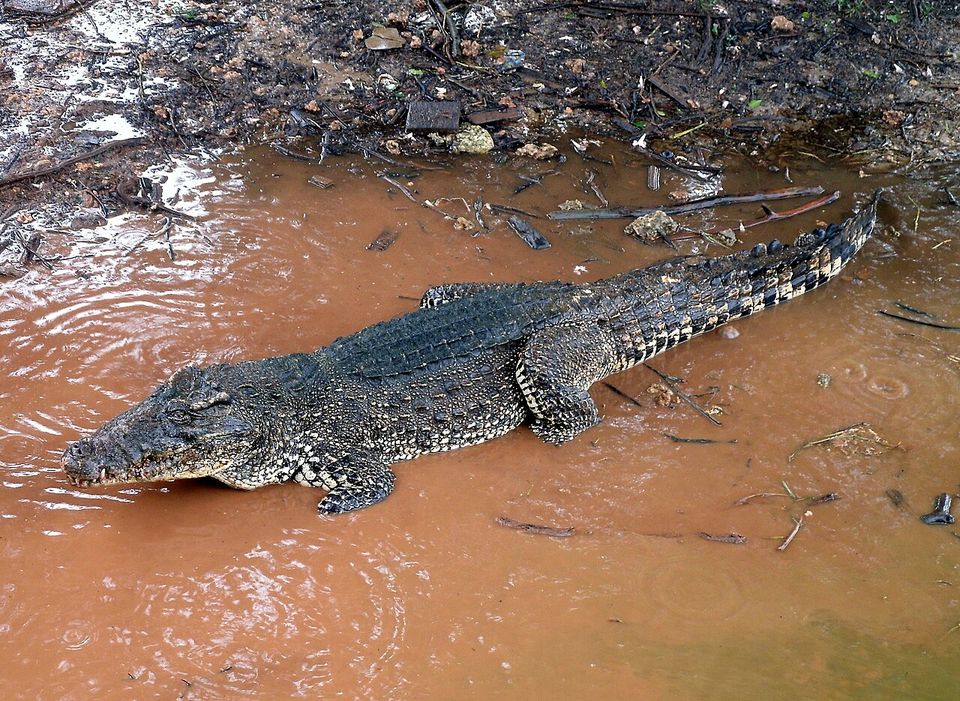
Cuban crocodile (Crocodylus rhombifer): in the wild it lives only in the Zapata Swamp and the Lanier Swamp on the Isla de la Juventud. It is Critically Endangered. One threat is interbreeding with the American crocodile, which dilutes the species.
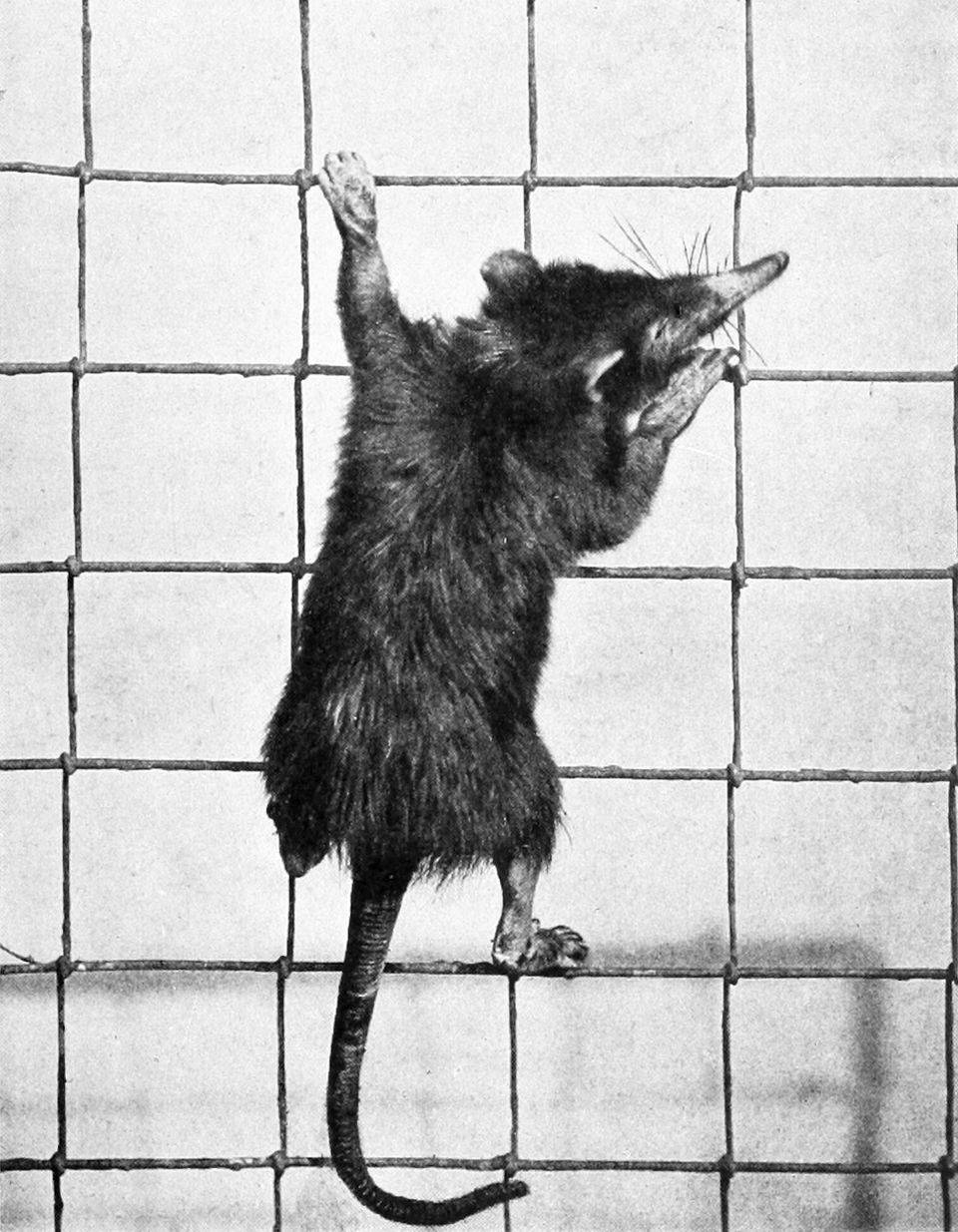
Cuban solenodon (almiquí, Atopogale cubana, formerly Solenodon cubanus): a small nocturnal mammal from eastern Cuba, one of the few mammals with venomous saliva. It is Endangered. Years go by without a sighting; in 2003 a farmer in Holguín caught one, nicknamed Alejandrito, which was studied and released.
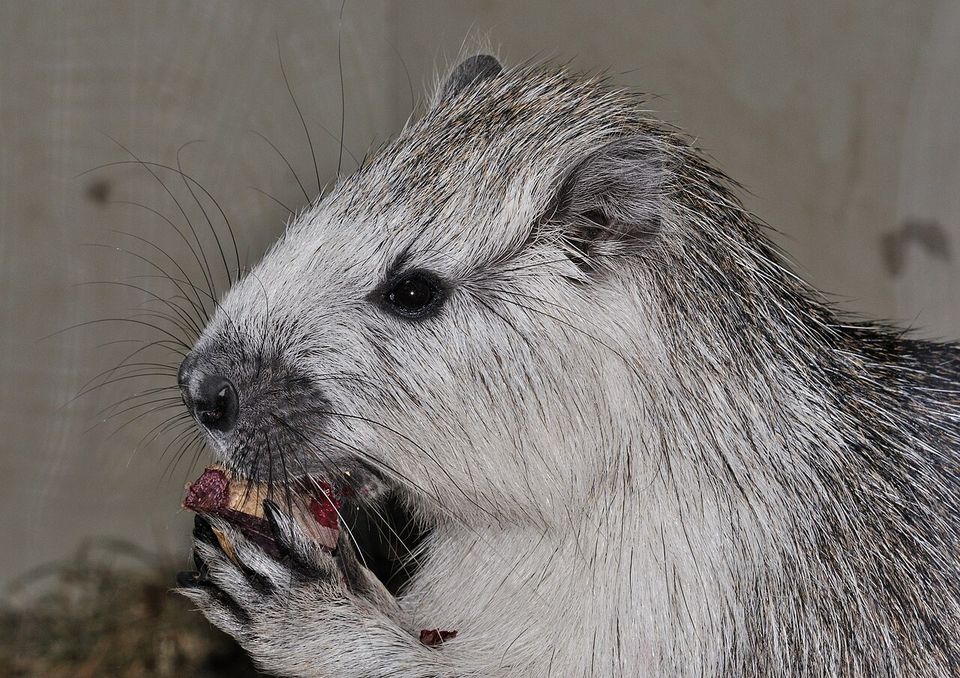
Hutias: the Desmarest's hutia (jutía conga, Capromys pilorides) is the largest and most common. Others, such as the dwarf hutias, are rare and threatened.
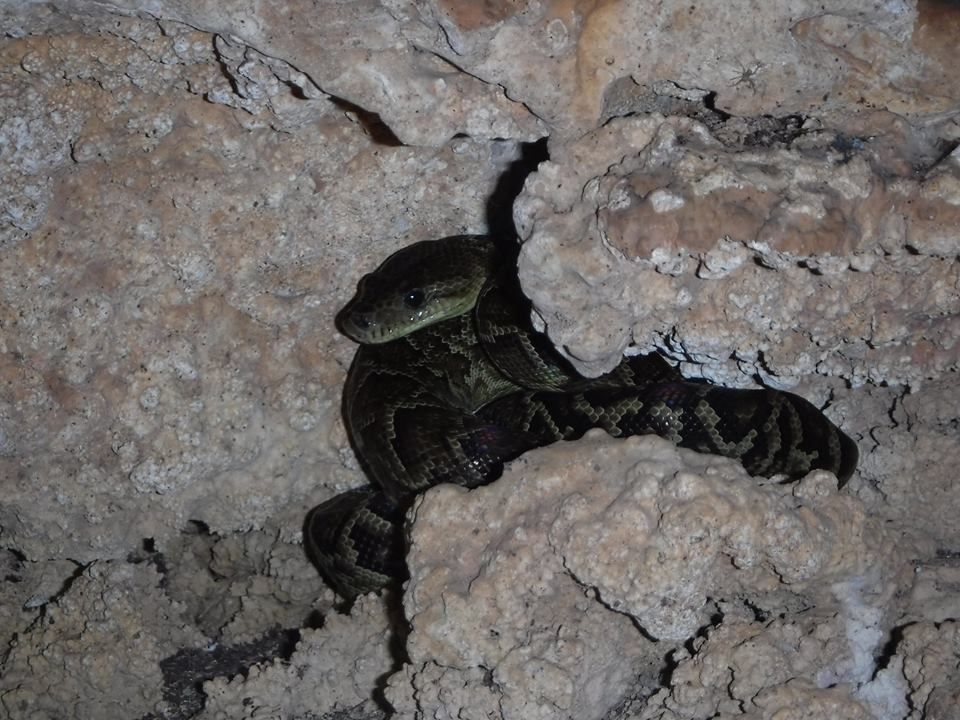
Cuban boa (majá de Santa María, Chilabothrus angulifer): the largest snake in the West Indies, which can grow longer than 4 meters (13 ft). It isn't venomous.
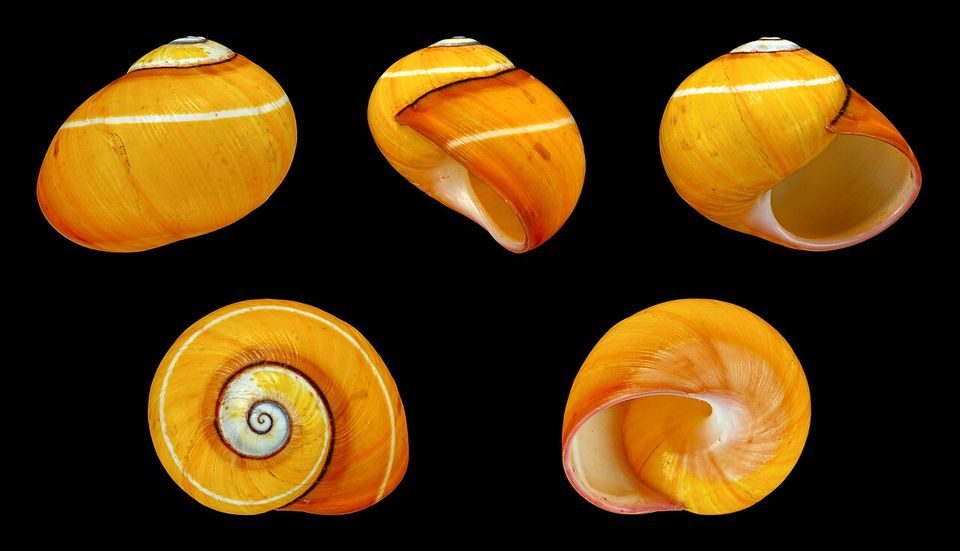
Polymita snails (polimitas): brightly colored land snails from eastern Cuba, especially around Baracoa. All six species are endemic and, since January 2017, they have been on CITES Appendix I, the highest protection against international trade.
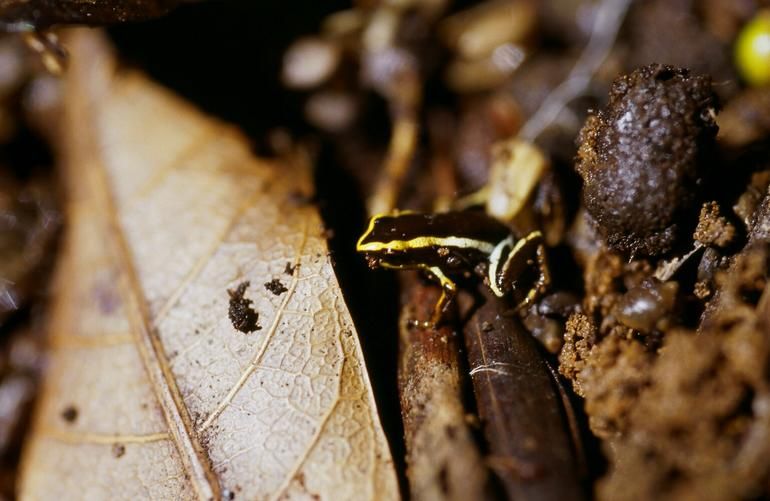
Monte Iberia eleuth (ranita de Monte Iberia, Eleutherodactylus iberia): about 10 millimeters long, the smallest frog in the Northern Hemisphere. It lives only in a small area of eastern Cuba, where it was discovered in 1993, and is Critically Endangered.
Cuban, but not only Cuban
Some species are linked with Cuba although they also live elsewhere: the Cuban rock iguana, the Cuban tree frog, the Gervais's funnel-eared bat (about 2 grams, among the smallest bats in the world), the American flamingo and the manatee. Sea turtles such as the green turtle, the loggerhead and the hawksbill nest on its coasts.
Endemic plants
Cuba has about 7,000 vascular plants, and about half of them are endemic, according to the Red List of the Cuban Flora and the official inventory of Cuban plants.
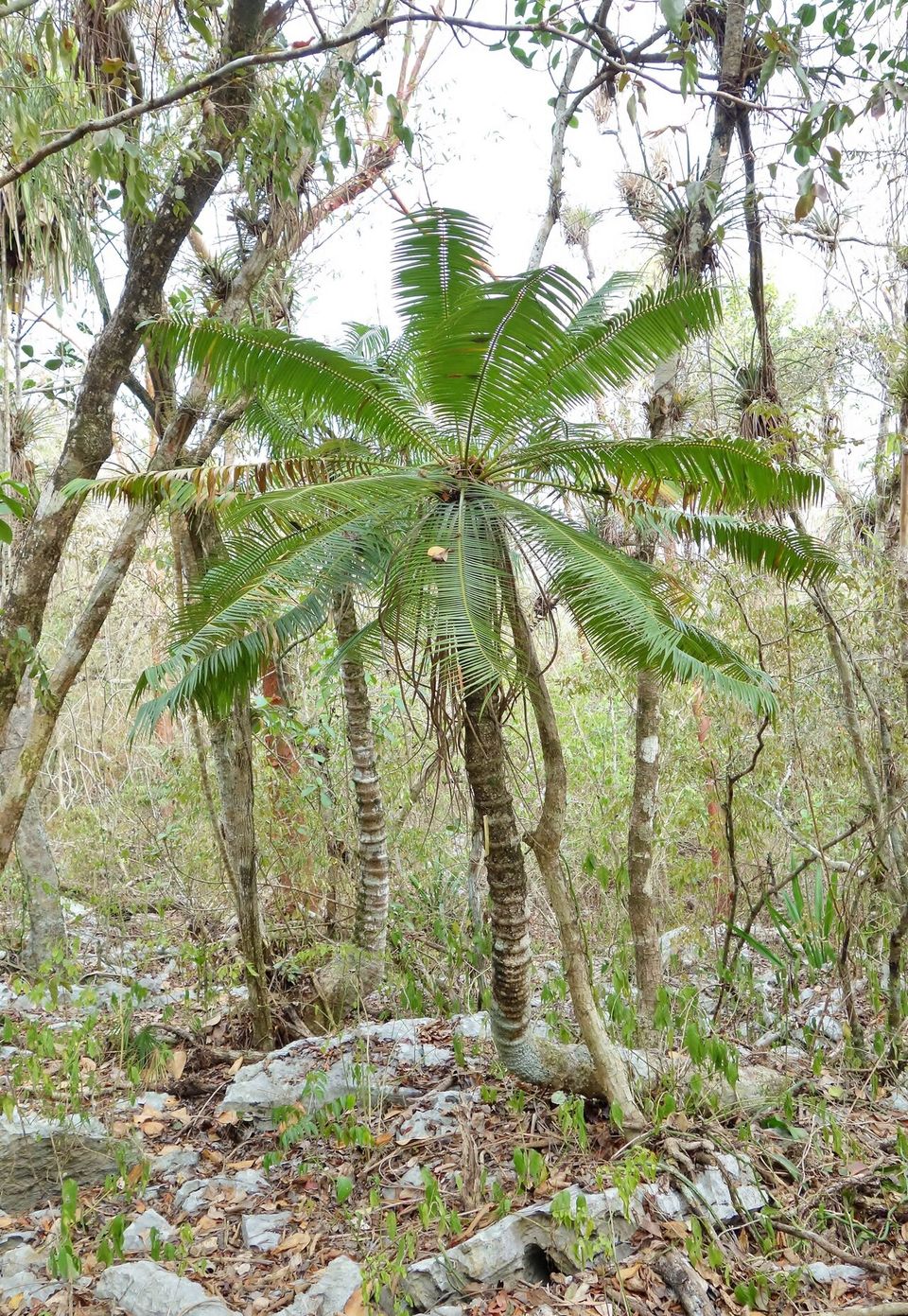
- Corcho palm (palma corcho, Microcycas calocoma): a very ancient cycad that grows only in Pinar del Río. It is one of Cuba's most threatened plants: Critically Endangered and on CITES Appendix I.
- Palms: besides the royal palm, Cuba has many endemic palms, such as the guano palms (Coccothrinax) and yarey palms (Copernicia), plus two royal palms of its own from Guantánamo.
- Pines: the Cuban pine (Pinus cubensis) of the east and the tropical pine (Pinus tropicalis) of the west are endemic.
- Cacti and orchids: many species are endemic, and several are threatened.
The ceiba (kapok tree), so important in Cuban culture and religion, is native but grows in tropical regions around the world.
Where to see Cuba's nature
- Zapata Swamp (Matanzas): a biosphere reserve since 2000 and a Ramsar wetland since 2001. Well-known birding spots are Santo Tomás (Zapata wren and sparrow), Bermejas (bee hummingbird, quail-doves, Fernandina's flicker) and Las Salinas (flamingos and waterbirds).
- Alejandro de Humboldt National Park (Holguín and Guantánamo): a World Heritage Site since 2001. UNESCO describes it as one of the most biologically diverse tropical island sites on Earth; nearly 70% of its described seed plants are endemic.
- Guanahacabibes Peninsula (Pinar del Río): a biosphere reserve since 1987, with beaches where sea turtles nest.
- Sierra del Rosario (Artemisa): Cuba's first biosphere reserve (1984), home to Las Terrazas.
- Viñales Valley: a landscape of mogotes and caves, a World Heritage Site as a cultural landscape. See our Viñales and Pinar del Río guide.
- Desembarco del Granma National Park (Granma): a World Heritage Site since 1999 for its marine terraces, with many endemic reptiles and amphibians.
Cuba's National Center for Protected Areas publishes information on the parks at snap.cu (in Spanish). Before you travel, check the current situation with transport, fuel and power in our Cuba travel guide.
What you can't take out of Cuba
Resolución 160 of 2011 from the Ministry of Science, Technology and Environment (CITMA) requires an environmental licence to export "species of special significance", alive, dead or in parts. Without a licence, Customs confiscates the item. The list includes, among others:
- Polymita snails and crafts made from their shells.
- Coral (black and stony) and sea fans.
- Hawksbill (carey) and anything made from it.
- Queen conch (cobo) and its shells.
- Birds: bee hummingbird, Cuban trogon, Cuban tody, Cuban parrot, Cuban grassquit (tomeguín del pinar), Cuban bullfinch (negrito), mockingbird (sinsonte), indigo bunting (azulejo) and painted bunting (mariposa).
- Reptiles and mammals: crocodiles, the iguana, the Cuban boa, the solenodon and hutias.
- Corcho palm.
Cuban authorities still enforce these rules: in January 2026, Customs in Holguín seized 121 kilos of hawksbill and other wildlife products headed for the United States, according to Prensa Latina.
When you get home: importing CITES-listed species without permits is illegal in Canada, the United States and the European Union, and items can be seized. More on what you can bring in and out in our customs guide.
Threats
- Habitat loss: logging and farming have shrunk the forests, the main threat to birds such as the bee hummingbird.
- Invasive species: marabú (sicklebush), a thorny shrub native to Africa, covers around a million hectares or more, depending on the estimate. Mongooses, cats and dogs prey on species such as the solenodon.
- Bird trapping: Cuba has a long tradition of keeping caged birds and holding songbird contests. In 2021 the conservation group BirdsCaribbean warned of a rise in illegal trapping of bullfinches, grassquits and parrots, linked to the economic crisis, and of their sale in Facebook groups and in Miami.
- Hurricanes and droughts hit species with very small populations, such as the Zapata rail.
Learn more
- Field guide: Field Guide to the Birds of Cuba by Arturo Kirkconnell and Orlando H. Garrido. The second edition (2024–2025) covers 380 species.
- Checklist of the birds of Cuba with Cuban Spanish names, from BirdsCaribbean (PDF).
- Birding sites in Zapata: Caribbean Birding Trail.
- Species factsheets for every bird: BirdLife DataZone.
- Plants: Flora de Cuba en línea, the inventory of Cuba's vascular plants (in Spanish).
- International protection: Species+ shows which CITES appendix each species is on.
Frequently asked questions
What is the smallest bird in the world?
The bee hummingbird, endemic to Cuba. The male is about 5.7 cm long and weighs around 1.6 grams.
How many endemic birds does Cuba have?
Between 25 and 28 species, depending on the classification. The best known are the bee hummingbird, the Cuban trogon, the Cuban tody and the Zapata wren.
Why is the tocororo Cuba's national bird?
Because it is endemic and its plumage has the colors of the Cuban flag: blue, white and red. It is an emblem by tradition; the national symbols set by law are the flag, the anthem and the coat of arms.
Is the mariposa a Cuban flower?
It is the national flower by tradition, but it comes from Asia and became naturalized in Cuba.
Which animals live only in Cuba?
Among others, the bee hummingbird, the Cuban trogon, the Cuban tody, the Cuban crocodile, the Cuban solenodon, the Desmarest's hutia, the Cuban boa, Polymita snails and the Monte Iberia eleuth.
Can I bring Polymita shells or hawksbill items home from Cuba?
No. Taking them out of Cuba without an environmental licence is banned, and Customs confiscates them. Importing them without CITES permits is also illegal in Canada, the United States and the European Union.
Where is the best place to see Cuban wildlife?
The Zapata Swamp, especially for birds; Alejandro de Humboldt National Park; Guanahacabibes; and the Sierra del Rosario.
Last reviewed: November 2026.