← All guides · Travel & Heritage
Viñales and Pinar del Río 2026: A Practical Travel Guide
Viñales Valley, tobacco farms, caves, beaches and Las Terrazas: getting there in 2026, where to stay, blackouts, cash and safety tips.
Updated November 28, 2026
Pinar del Río, Cuba's westernmost province, is a land of tobacco fields, limestone hills and farming families. Its best-known corner is the Viñales Valley.
Conditions change quickly in 2026, so confirm transport, lodging and opening hours locally.
The Viñales Valley
UNESCO listed the valley as a cultural landscape in 1999. Its signature features are the mogotes, steep-sided limestone hills rising from the flat valley floor. UNESCO also recognizes that farming here, especially tobacco, still follows traditional methods, and it highlights the rural architecture of the farms and villages.
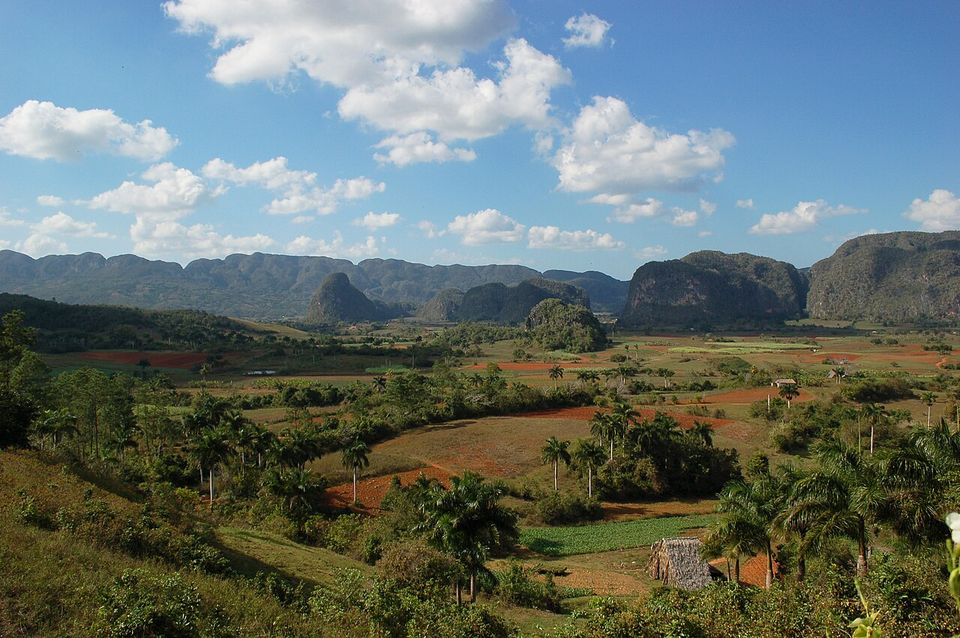
The village itself is small, with low houses and front porches. According to the UNESCO nomination file, it was founded in 1875 as tobacco growing spread. Much of the valley lies inside Viñales National Park.
Tobacco farms
Pinar del Río's Vuelta Abajo area produces Cuba's most prized cigar leaf. In broad strokes, this is how it's grown:
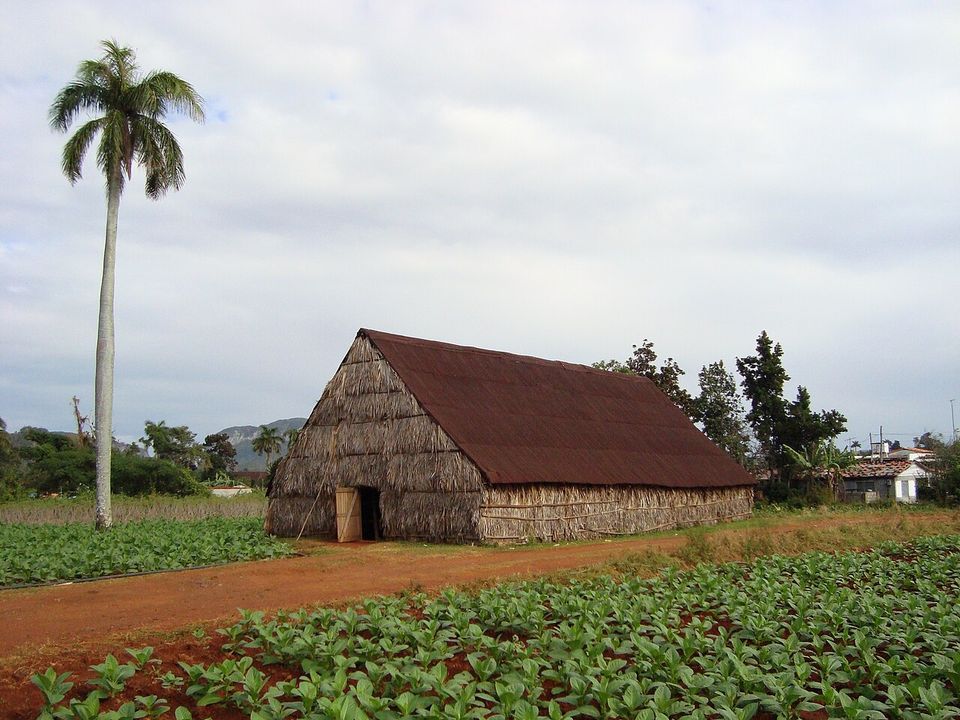
- Seeds sprout in seedbeds, and the seedlings are moved to the fields around autumn.
- The leaves are picked by hand. According to Habanos S.A., the harvest peaks in late February.
- The leaves are hung on poles (cujes) inside wooden curing barns (casas de tabaco), where they dry for weeks.
- They're then fermented and aged before going to the factory.
Many farms (vegas) welcome visitors. You'll see the fields and the curing barn, and the farmer will walk you through the process. Ask beforehand whether there's a fee.
Buying cigars at a farm. Farm-rolled cigars come without the official Habanos S.A. hologram or a receipt. Cuban customs requires cigars to be in their original sealed box with the hologram, and under a 2009 rule you need an invoice from an authorized store for more than 50; confirm the current limit before you buy. Cigars that don't meet those rules can be confiscated. If you plan to take cigars home, buy them at an official store. Canada also warns about cigar scams on the street.
If you live in the U.S.: OFAC doesn't allow you to bring back tobacco bought in Cuba. See our customs guide.
Caves and the Mural de la Prehistoria
- Cueva del Indio: about 5 km north of the village. You walk in and then take a boat along an underground river. It was still open in September 2026, though visitors were few.
- Gran Caverna de Santo Tomás: near El Moncada, about 17 km west of the village. It has more than 40 km of passages, and a short section can be toured with a guide. We found no 2026 information, so ask locally whether it's open.
- Mural de la Prehistoria: a huge painting on a mogote cliff in the Dos Hermanas valley, about 4 km from the village. Leovigildo González Morillo designed it in the early 1960s. It shows the evolution of life, from mollusks to humans, and stands more than 100 meters tall.
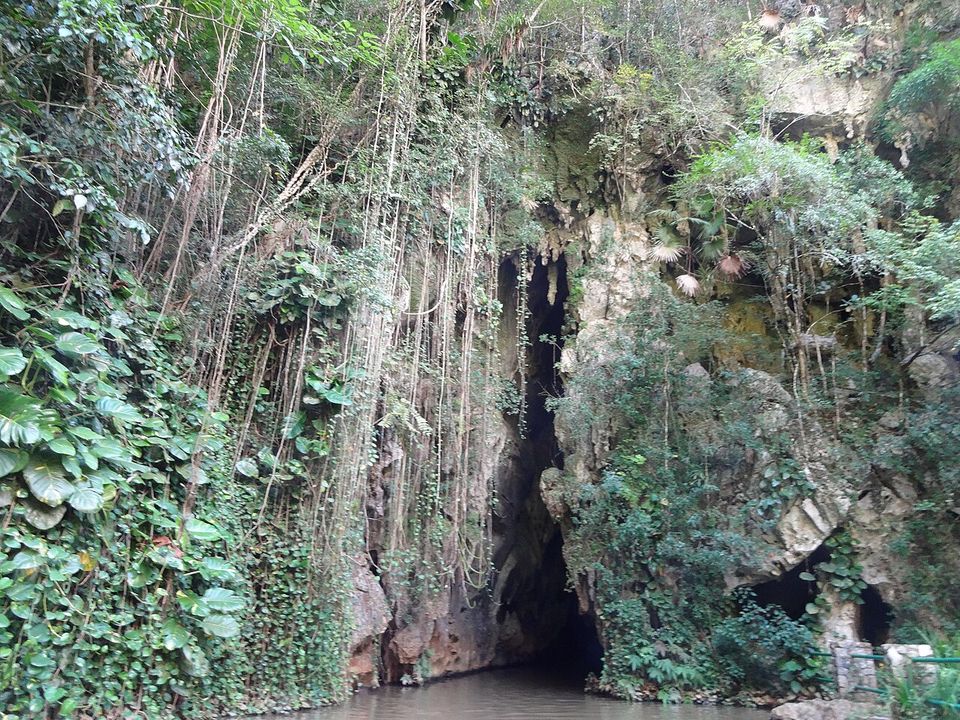
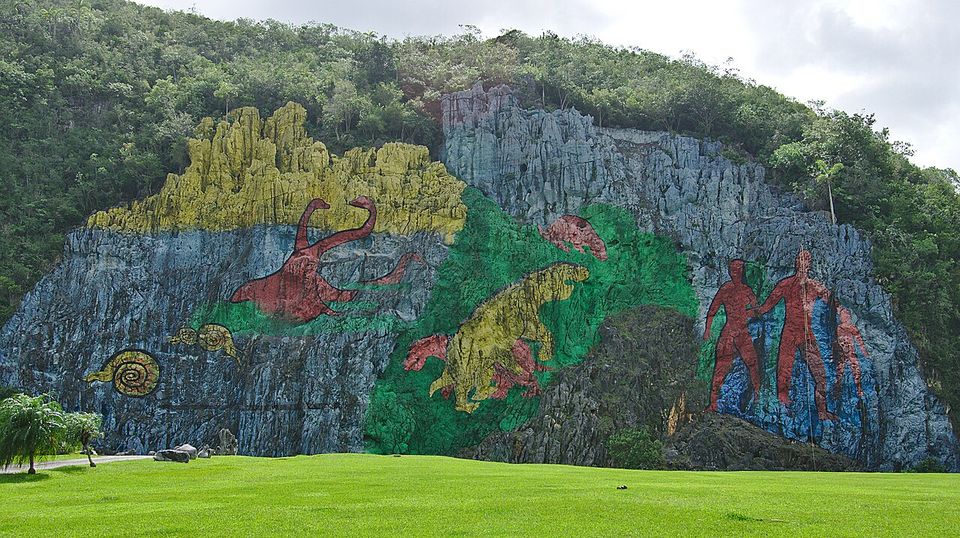
Caves are home to bats, and Canada advises avoiding contact with animals because of rabies.
Hiking and horseback riding
- Go with a local guide, and agree on the price, route and length beforehand.
- Start early, and carry water and sunscreen.
- After rain, the red soil gets very slippery.
- Check the saddle, and ask for a helmet if you're new to riding.
Beaches: Cayo Jutías and Cayo Levisa
- Cayo Jutías is connected to the mainland by a causeway and is usually a day trip from Viñales. There's little shade.
- Cayo Levisa is reachable only by boat from the Palma Rubia pier, a crossing of about 20 minutes. It has a small bungalow hotel.
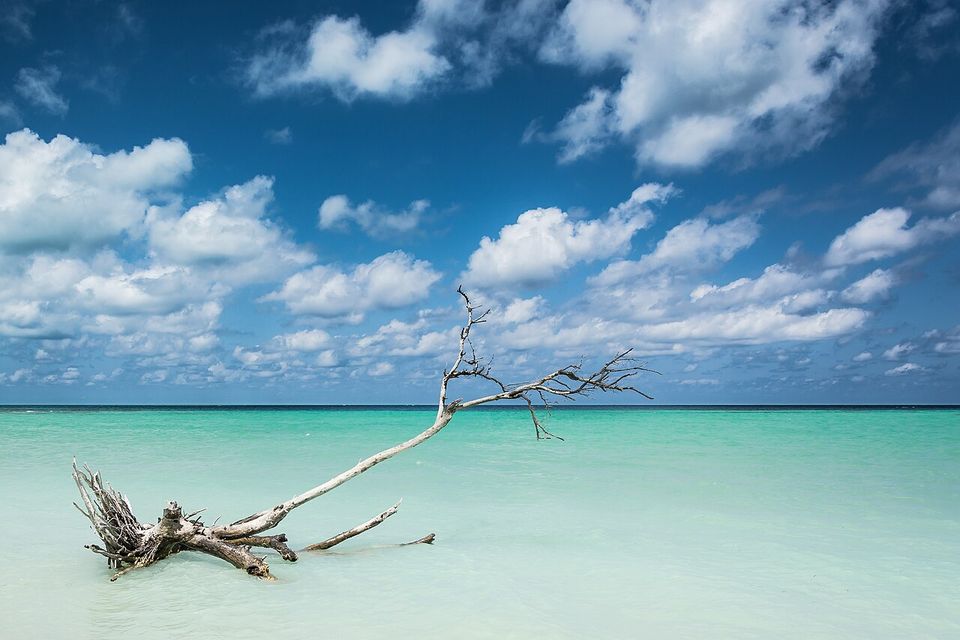
We found no reliable 2026 information on transfers, the boat or the hotel. Confirm before you go.
Guanahacabibes and María la Gorda
At Cuba's far western tip, the Guanahacabibes Peninsula is a biosphere reserve. María la Gorda has an international dive center with dozens of dive sites and a simple beachfront hotel. It's remote and the road is poor. We couldn't confirm whether it was operating in November 2026.
Pinar del Río city, Soroa and Las Terrazas
- Pinar del Río, the provincial capital, is about 25 km from Viñales on a heavily potholed road.
- Soroa and Las Terrazas are on the way from Havana, in Artemisa province, inside the Sierra del Rosario Biosphere Reserve. Soroa has a waterfall of about 22 meters and an orchid garden, while Las Terrazas offers trails and a zip line. Not everything is open every day.
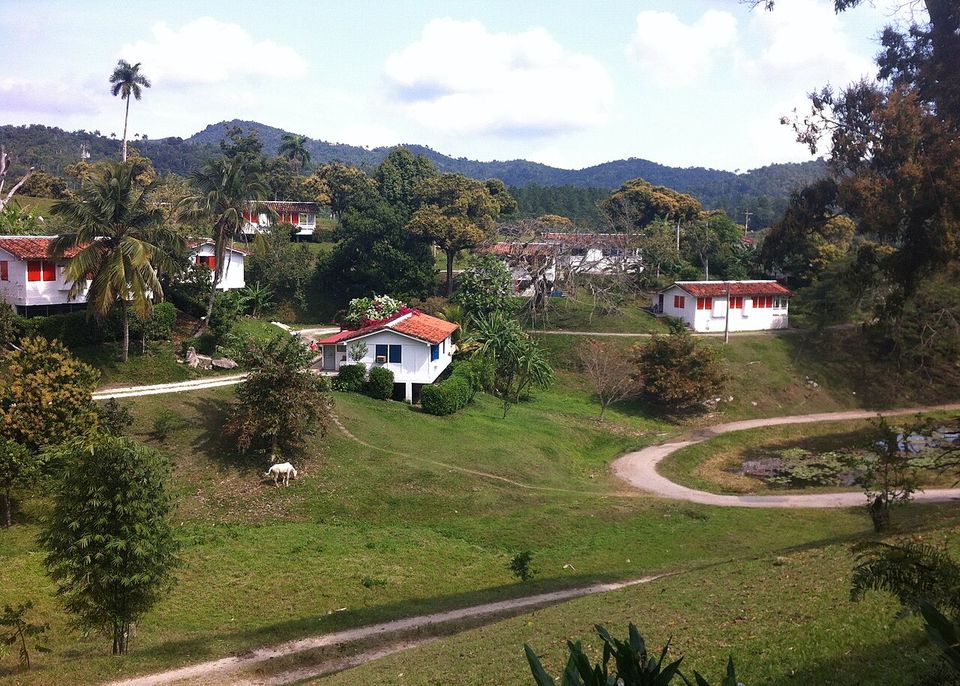
Getting there in 2026
Viñales is about three hours by road from Havana.
- Viazul: in May 2026, it was keeping some routes running as fuel allowed. We couldn't confirm the Viñales route.
- Taxis and shared taxis (colectivos): these are the most common option, but fuel shortages have pushed prices up. Agree on the fare before you get in.
- Day tours: some agencies still offer them from Havana.
- Rental cars: gas is scarce, and Canada reports travelers getting stranded.
In May 2026, residents told CiberCuba that hardly any taxis or local buses were left in Viñales, and people were getting around on electric tricycles. Make sure you have a way back.
Where to stay and eat
Most visitors stay in a casa particular, a family home renting one to three rooms. Ask whether the house has solar panels, batteries or a water tank. Many hosts serve breakfast and Cuban home-cooked dinners. There are private restaurants (paladares), but some have closed as visitor numbers dropped.
Hurricanes, drought and blackouts
- Hurricane Ian (2022): made landfall in Pinar del Río as a Category 3 storm and damaged about 90% of the province's tobacco curing barns. Recovery has been slow.
- Hurricane Rafael (November 2024): exited over the province's north coast and damaged curing-barn roofs.
- 2025–2026: we found no tropical storms hitting the province, though there were local storms with hail and strong winds.
- Water: in May 2026, Viñales had gone months without regular water service. Officials said it had been restored, but residents said it still failed.
- Blackouts: long and almost daily. Bring a power bank, a flashlight and water purification tablets.
Hurricane season runs from June to November.
Money, connectivity and safety
- Bring cash, ideally U.S. dollars or euros. Visa and Mastercard haven't worked in Cuba since June 6, 2026. See our currency guide.
- During blackouts, mobile signal and Wi-Fi often drop. See our top-ups and internet guide.
- The UK advises against all but essential travel to Cuba, and Canada advises avoiding non-essential travel. Opportunistic theft is rising, including from casas particulares.
Also read Traveling to Cuba in 2026 and check our map.
Going home to visit family
Ask your family what they need. In Pinar del Río, water, power and medicine are often short, so solar lamps, water filters and medicines go a long way. Check the limits in our customs guide, and arrange the ride from Havana well in advance.
Frequently asked questions
Can I visit Viñales as a day trip from Havana?
Yes, but it means about six hours on the road round trip. Staying at least one night is better.
Can I buy cigars at a tobacco farm?
Yes, but they come without a hologram or receipt, and customs may confiscate them when you leave. If you plan to take cigars home, buy them at an official store. You can't bring Cuban tobacco into the U.S.
Does Viazul run to Viñales in 2026?
We couldn't confirm it. Ask at the bus station and have a backup plan.
Is Cueva del Indio still open?
Yes, according to a September 2026 news report. Check opening hours in the village.
Is there power and water in Viñales?
Blackouts are long, and in 2026 there were serious water problems. Choose a casa with solar backup or a water tank.
Last reviewed: November 2026.