← All guides · Travel & Heritage
Santiago de Cuba Travel Guide 2026: Sights and Getting There
Santiago de Cuba in 2026: El Morro, El Cobre, Santa Ifigenia, music and festivals, flights, transport, blackouts, cash and tips for returning Cubans.
Updated November 28, 2026
Santiago de Cuba is the country's second city and the cultural heart of Oriente, the island's east. Diego Velázquez founded it in 1515, and it was Cuba's capital for much of the 16th century. It's a city of hills, heat and music. This guide is for first-time visitors and for Cubans going back to see family.
Conditions change fast in 2026. Confirm transport, lodging and opening hours locally before you set out.
The city and its neighbourhoods
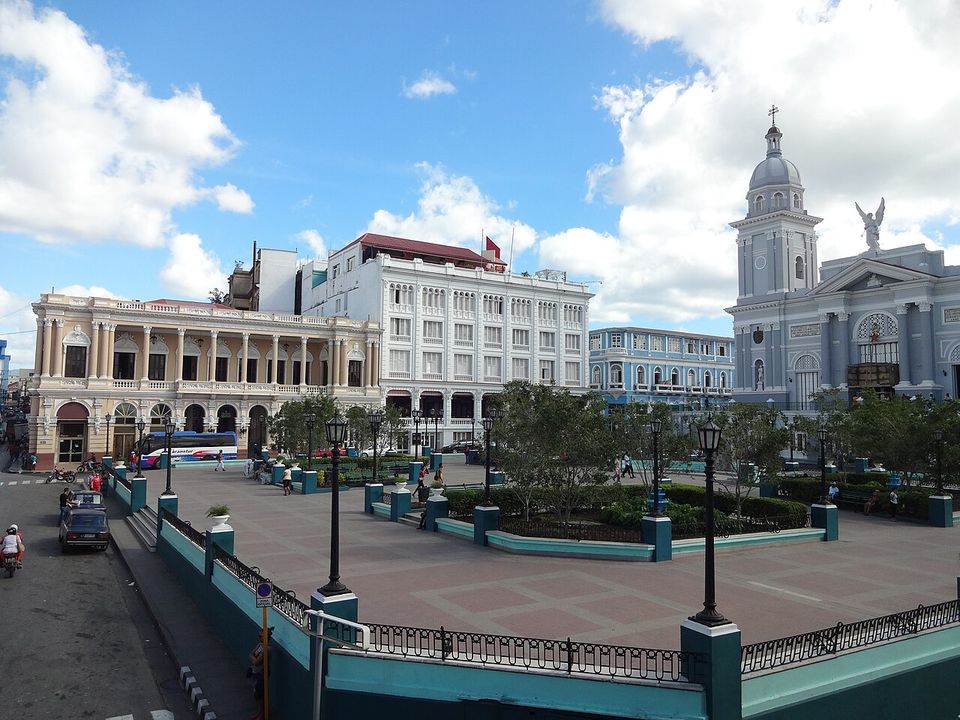
- Historic centre and Parque Céspedes: the old Plaza de Armas. Around it stand the Cathedral, the Casa de Diego Velázquez (considered one of the oldest houses in Cuba), the old Town Hall and the Casa Granda hotel building.
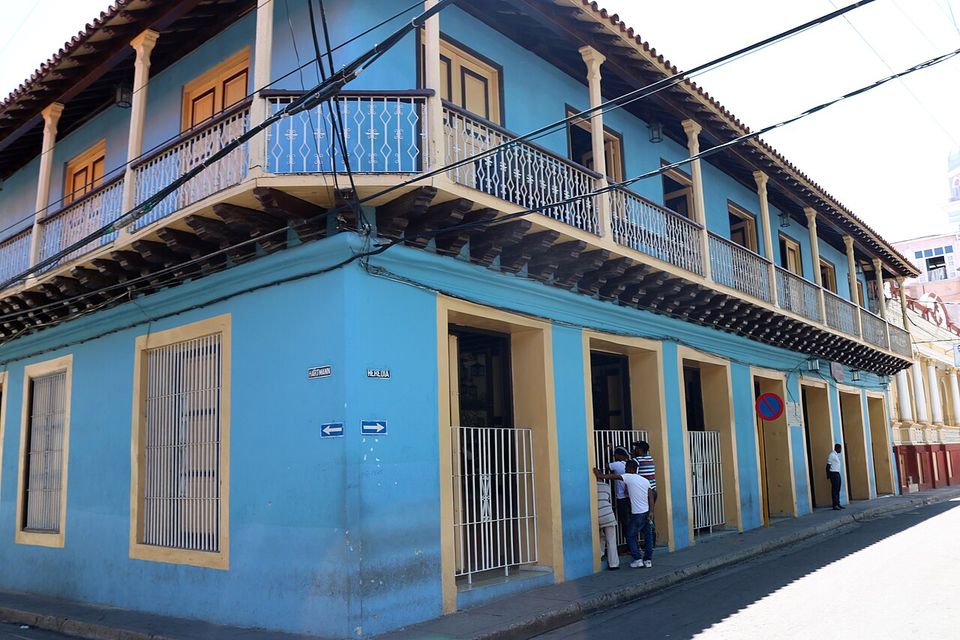
- Calle Heredia: runs off Parque Céspedes and is traditionally the street of trova and son. We couldn't confirm which music venues are open in 2026, so ask around that week.
- El Tivolí: a hilly neighbourhood south of the square, founded in the late 18th century by French immigrants arriving from Haiti. The Padre Pico steps lead into it.
- Vista Alegre: a residential district laid out in 1907 and filled with large mansions between the 1920s and 1950s. It's home to the Casa del Caribe, which runs the Festival del Caribe.
What to see
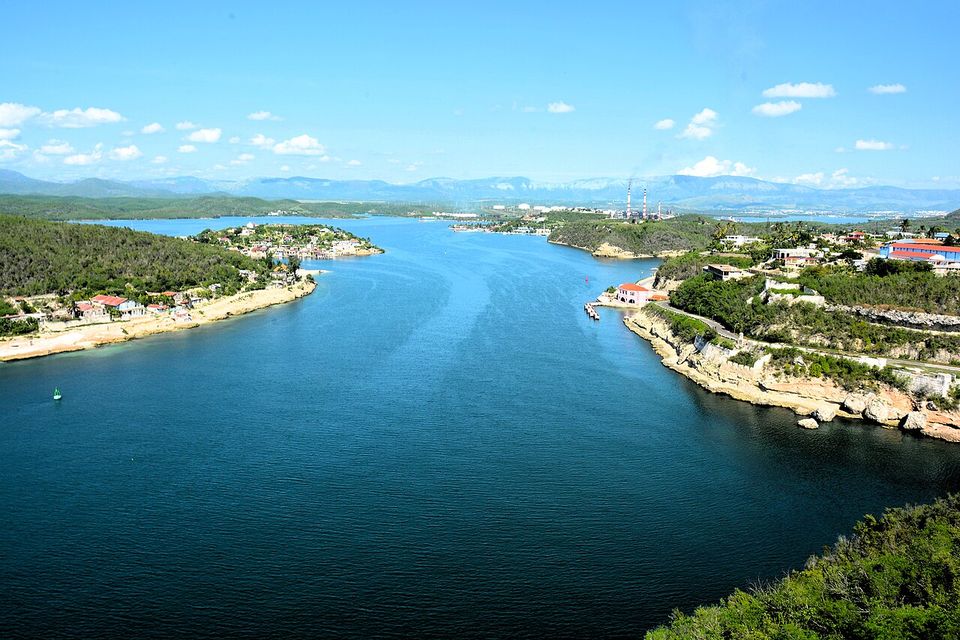
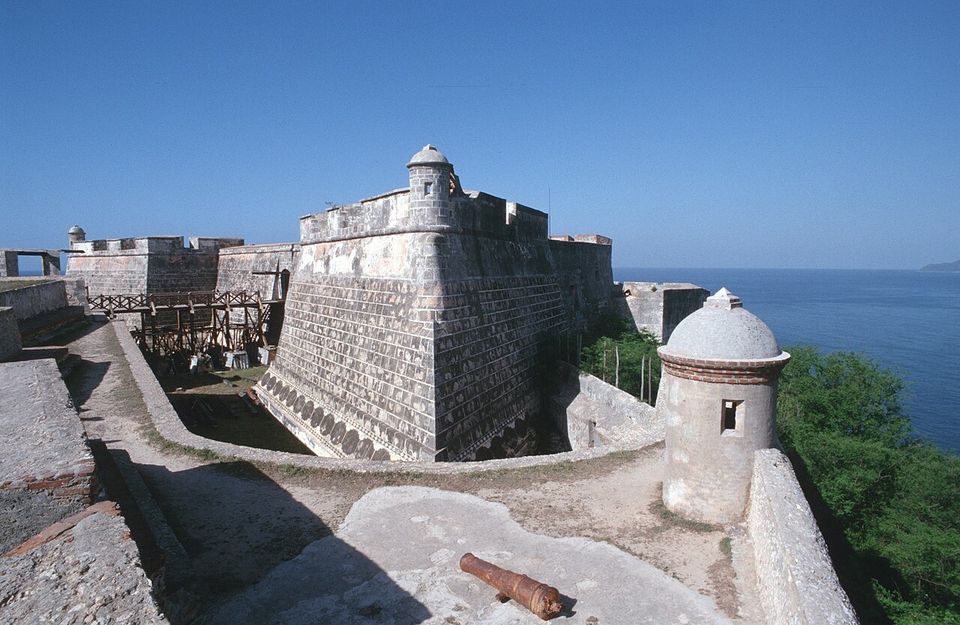
- Castillo de San Pedro de la Roca (El Morro): a fortress about 10 km south of the centre, guarding the mouth of the bay. Built between 1638 and 1700, it has been a UNESCO World Heritage Site since 1997.
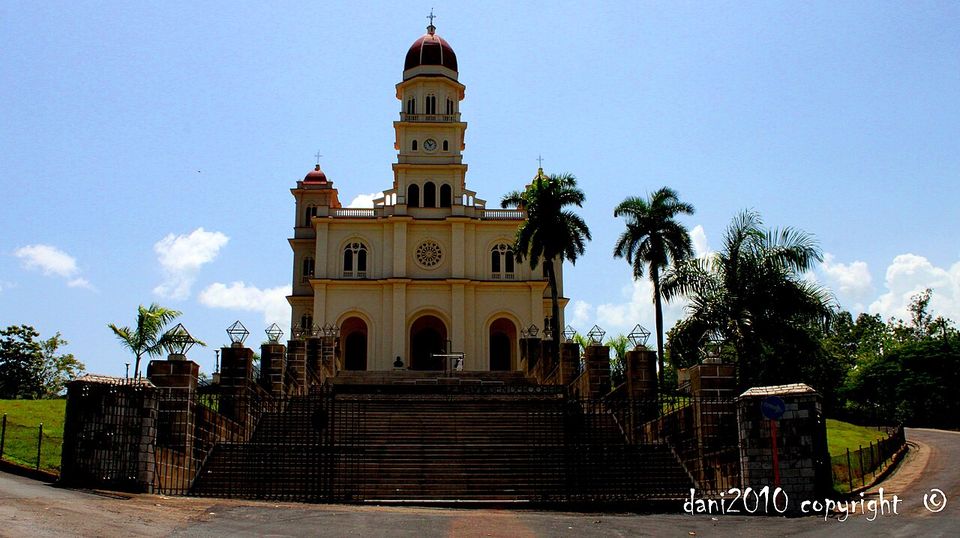
- Basílica Santuario de la Virgen de la Caridad del Cobre: in the village of El Cobre, on the city's outskirts. It's the shrine of Cuba's patron saint, whose feast day is 8 September. Hurricane Melissa (29 October 2025) damaged its stained glass, doors and roofs. According to Telesur, the main restoration was completed in September 2026. Check visiting hours with the Archdiocese.
- Santa Ifigenia Cemetery: home to José Martí's mausoleum, where the guard changes every 30 minutes. Carlos Manuel de Céspedes and Mariana Grajales are also buried here, and Fidel Castro's ashes have been here since 2016.
- Former Moncada Barracks: a military barracks attacked on 26 July 1953 by a group led by Fidel Castro. Since 1960 it has been a school, with a museum about its history.
- Gran Piedra and the coffee plantations: the mountains east of the city hold the remains of 171 19th-century coffee estates, many founded by French settlers from Haiti. Together they form the Archaeological Landscape of the First Coffee Plantations in the South-East of Cuba, a World Heritage Site since 2000. Melissa badly damaged the area (La Isabelica museum lost its roof), and we found no 2026 reports on reopening. Ask before you go.
- Baconao Biosphere Reserve: recognised by UNESCO in 1987, stretching between the coast and the mountains east of the city.
Find these places on our map.
Music and festivals
Santiago is one of the birthplaces of son, trova, bolero and conga, and UNESCO named it a Creative City of Music in 2021.
- Festival del Caribe / Fiesta del Fuego (July): in 2026 the 45th edition was cut to three days (3–5 July). Parades were cancelled and events were moved to the afternoon because of the energy crisis.
- Carnival (July): usually peaks around 25–26 July. We couldn't confirm whether the full carnival took place in 2026.
See dates in our cultural calendar.
Getting there in 2026
- By air to Antonio Maceo airport: in early November 2026, Directorio Cubano reported American Airlines flights from Miami five days a week, Havanatur charters from Miami, and regional carriers such as Air Century and InterCaribbean serving places like the Dominican Republic, Kingston and Venezuela. Check with the airline.
- From Havana: it's more than 800 km by road. Cubana de Aviación runs domestic flights, but its schedule changed several times in 2026. GOV.UK says Cuban airports are out of jet fuel, so expect changes or refuelling stops.
- By bus: since June 2026, state buses between provinces run only one to three times a week, and trains to the east roughly every two weeks. In May it was announced that Viazul would keep running, but we couldn't confirm its current timetable. Private intercity transport exists but is expensive.
More in Travelling to Cuba in 2026.
Getting around
The centre is walkable, though steep and very hot. For El Morro, El Cobre or the Gran Piedra you'll need a taxi or a car with a driver, and fuel shortages mean there are few. Use official taxis or ones your host recommends, and agree the fare before you get in.
Where to stay
Casas particulares (private rooms) are usually the most practical choice. Spain's foreign ministry says most hotels outside Havana have closed temporarily, and, according to press reports, Meliá, which managed the Meliá Santiago de Cuba, announced its exit from Cuba from 24 July 2026. Ask whether the house has a generator or battery and a water tank.
Eating
There are private restaurants (paladares) and cafés, but what's on offer depends on supplies and power. Carry bottled water and some food for journeys.
Blackouts and water
Santiago is one of the provinces hit hardest by the power crisis:
- In March 2026 the provincial electric company acknowledged days with 24 hours without power, with about two hours of supply on some circuits.
- In June 2026 it split the city into 9 blocks, each getting one or two hours of power a day. Some neighbourhoods went 40–50 hours straight without electricity.
- On 9 November 2026 the provincial paper Sierra Maestra reported that only one unit, of 60 MW, was running at the Antonio Maceo (Renté) power plant while two others were being repaired.
Outages also hit water supply and communications. Bring a torch and a power bank.
Money
Since 6 June 2026, Visa and Mastercard cards aren't accepted in Cuba, and ATMs won't give cash on them. U.S.-issued cards don't work either. Bring cash for the whole trip, in U.S. dollars or euros, plus a buffer. See our currency and exchange rate guide.
Staying connected
ETECSA is the only operator. There are visitor SIM lines and public Wi-Fi, but connections often drop during blackouts. See our top-ups and internet guide.
Safety
The UK and Canadian governments advise against non-essential travel to Cuba. There were protests over blackouts in Santiago in 2026, so avoid crowds. Opportunistic crime has risen, so keep valuables out of sight. Hurricane season runs from June to November.
For Cubans returning home
Many Cuban families come from Oriente. Work out with your relatives how you'll get from the airport, because local transport is scarce. Think about what's most needed: rechargeable torches, batteries and medicines in their original packaging. Check the limits in our customs guide. If your family lives in El Cobre or near the Gran Piedra, ask how their home came through Melissa: many roofs were damaged there.
Frequently asked questions
Are there direct flights to Santiago de Cuba?
Yes, from Miami and some Caribbean destinations, according to November 2026 reports. We found no direct flights from Europe. Frequencies change often.
How do I get from Havana to Santiago de Cuba?
By Cubana domestic flight, by Viazul (if there's a departure) or by private transport. State trains and buses have run very rarely since June 2026. Secure your return trip before you go.
Can I visit the El Cobre sanctuary?
The sanctuary was repaired after Hurricane Melissa, and the main restoration finished in September 2026. Check Mass and visiting times with the Archdiocese of Santiago de Cuba.
How long are the blackouts in Santiago de Cuba?
It varies a lot. In June 2026 some neighbourhoods had only one or two hours of power a day. Ask your host whether they have a generator or battery.
Last reviewed: November 2026.