← All guides · Travel & Heritage
Havana Travel Guide 2026: Neighborhoods, Sights, Tips
Havana in 2026: neighborhoods, top sights, arriving and getting around, where to stay, cash, blackouts, safety and tips for Cubans visiting family.
Updated November 28, 2026
Havana is still the gateway to Cuba, whether it's your first trip or you're going home to see family. But in 2026 a fuel crisis has brought long blackouts, scarce transport and widespread hotel closures. This guide pulls together what official advice and the press were saying in early November 2026.
Conditions are changing fast in 2026: confirm transport, lodging and opening hours locally before you go.
One thing to know up front: the UK advises against all but essential travel to Cuba, and Canada says to avoid non-essential travel. See also our guide to traveling to Cuba in 2026.
Havana's neighborhoods
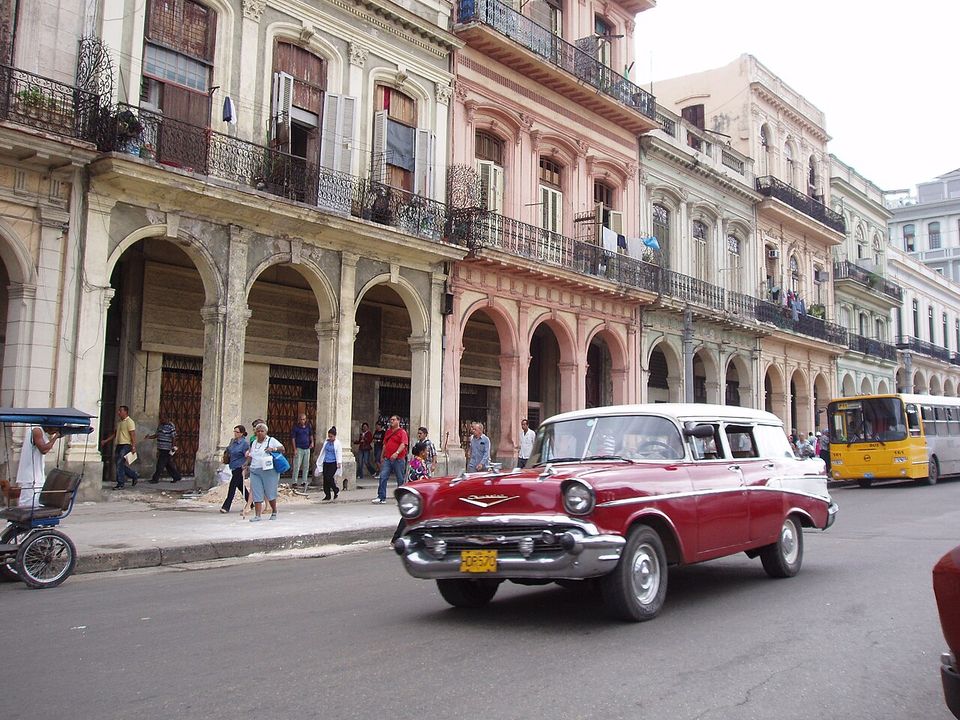
- Old Havana (La Habana Vieja). The colonial core: narrow streets, plazas and fortresses, with most of the museums, paladares and casas particulares.
- Centro Habana. Dense, lively and visibly worn, with early 20th-century buildings and a lot of everyday street life.
- Vedado. Leafier and more spread out, with avenues, old mansions, the University, theaters and the Plaza de la Revolución. A popular base.
- Miramar and Playa. Residential district to the west along Quinta Avenida, home to embassies, including Canada's.
- Habana del Este. East of the harbor tunnel, with the Playas del Este beaches. Getting there increasingly means a private ride.
- Regla, Guanabacoa and Casablanca. Across the bay, with deep Afro-Cuban religious traditions. The small ferry across the harbor runs irregularly because of breakdowns and fuel shortages.
- Cojímar. A fishing village to the east, closely tied to Hemingway's memory.
What to see
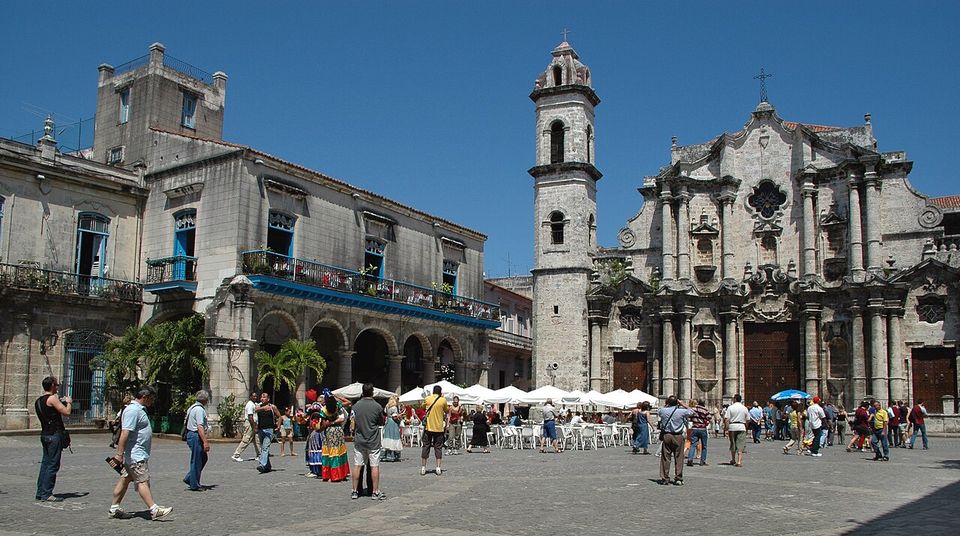
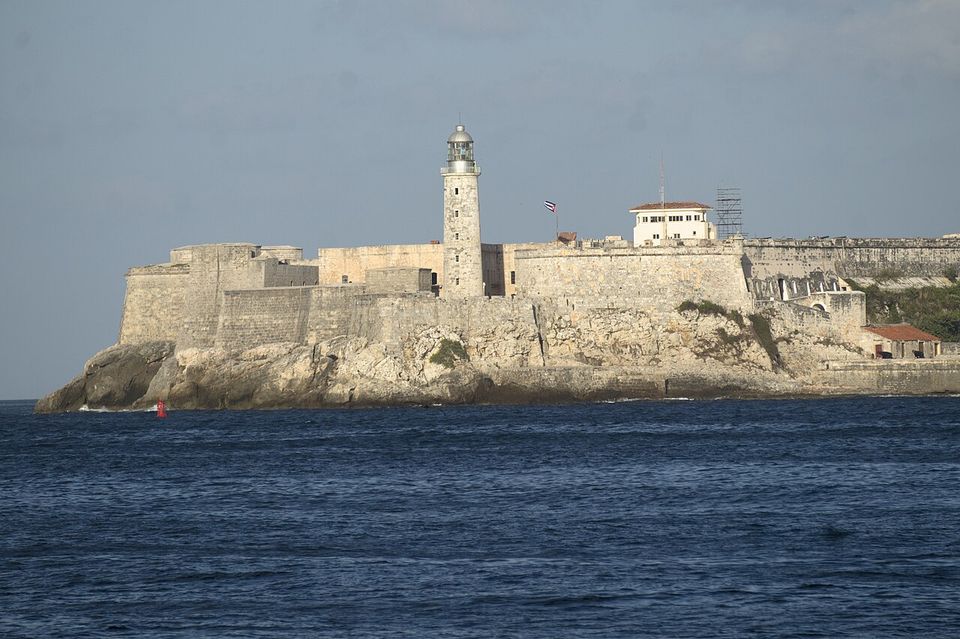
- Old Havana and its fortifications. A UNESCO World Heritage Site since 1982. Walk the four main squares (Plaza de Armas, Plaza de la Catedral, Plaza de San Francisco de Asís and Plaza Vieja) and see the harbor forts, such as El Morro and La Cabaña across the channel.
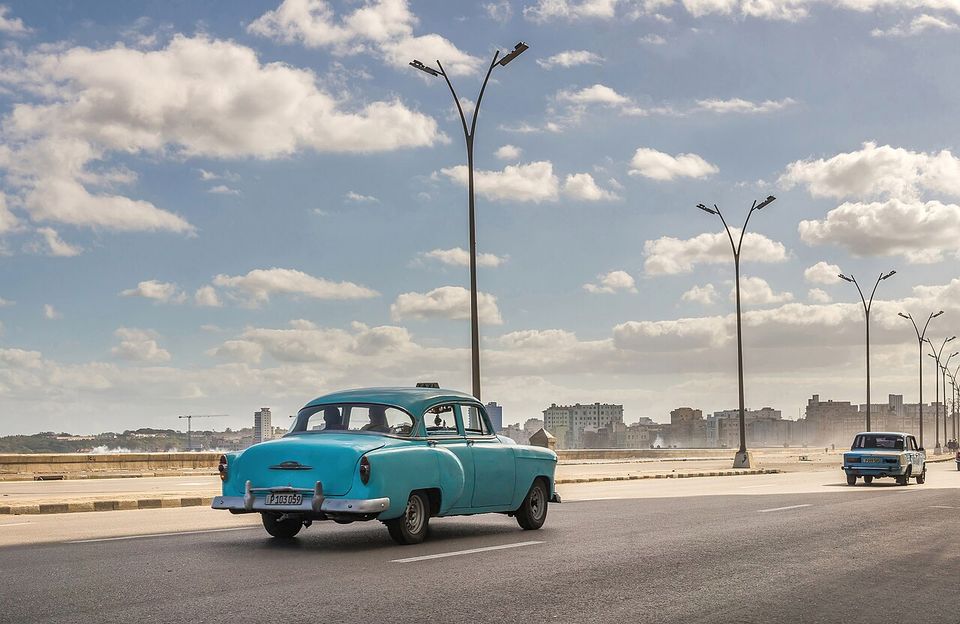
- The Malecón. The long seafront promenade from Old Havana to Vedado. It fills up at sunset.
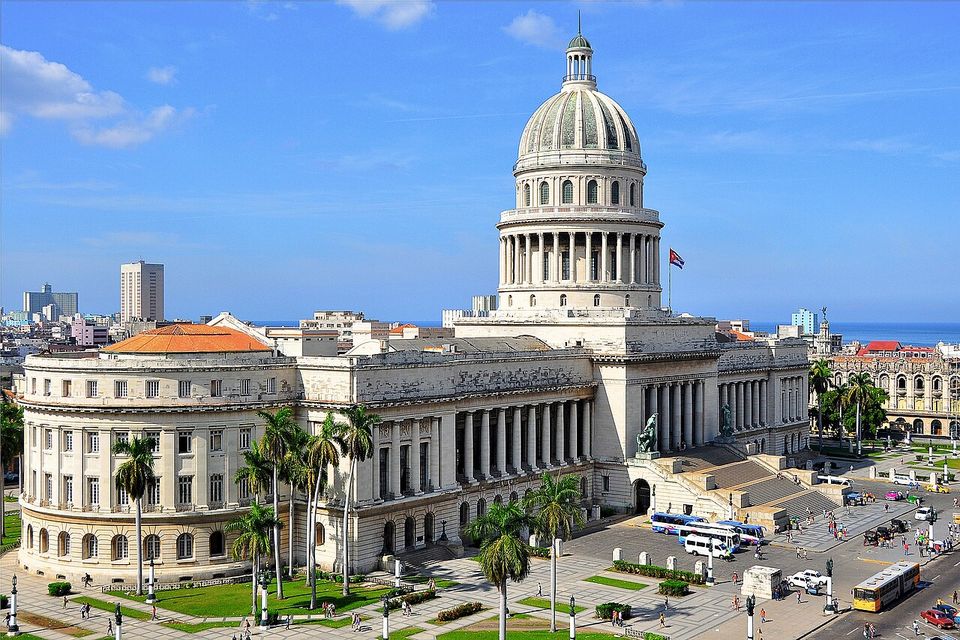
- El Capitolio and Paseo del Prado. The Capitolio dominates the center, and the tree-lined Prado runs down to the sea.
- Museo Nacional de Bellas Artes. Two buildings, one for Cuban art and one for international art. We couldn't find its 2026 hours, so check before you go.
- Plaza de la Revolución. In Vedado, with the José Martí Memorial and the giant images on the ministry buildings.
- Finca Vigía. Hemingway's house museum in San Francisco de Paula, on the outskirts. We found no 2026 news on its hours, so ask before making the trip.
Heads up: the Fábrica de Arte Cubano announced a temporary closure in June 2026 with no reopening date. Check its social media first.
Arriving: José Martí airport
According to GOV.UK, only Terminal 3 is operating at José Martí International Airport. Several airlines have suspended flights because of the jet fuel shortage.
- Take only official yellow taxis, and agree on the fare before you get in.
- Canada and the UK both warn about fake tour agents and taxi drivers at the airport.
- You can pick up a CubacelTur SIM at the airport (internet guide).
Getting around in 2026
Fuel is scarce and getting around costs more than it used to.
- Official taxis: the safest option. There are no meters, so settle the price first.
- Almendrones and colectivos: classic cars running fixed routes. Many sit idle for lack of gas, and the drivers still working buy it on the black market. AFP reported that taxi fares have tripled.
- Bici-taxis and electric tricycles: there are many more now. E-trikes cost less than a taxi but need power to charge.
- Buses (guaguas): cheap but scarce and packed, with long waits after fuel cuts.
- Coco-taxis: the UK warns they may be in poor condition and that tourists have been injured.
If you plan a day trip out of Havana, make sure you have a way back before you leave.
Where to stay
- Casas particulares: licensed private homes that rent rooms. Some have solar panels, batteries or water tanks, so ask before you book.
- State and foreign-managed hotels: since February 2026 the government has closed or consolidated many hotels and moved guests elsewhere. In July the prime minister said about 73% of the country's hotels were closed, and several foreign chains stopped managing hotels in Cuba. Spain's travel advice says closures are heaviest outside Havana.
Reconfirm your booking shortly before you travel: if your hotel closes, you may be moved to another one.
Eating
- Paladares: private restaurants, from simple cafés to upscale dining rooms. One of the most famous is La Guarida, on Calle Concordia in Centro Habana, in the apartment where Strawberry and Chocolate was filmed. Book ahead and confirm it's open.
- State restaurants: usually cheaper, with less choice.
Money: cash only
Since June 6, 2026, Visa and Mastercard aren't accepted in Cuba, and ATMs won't give cash on foreign cards. Bring enough cash for the whole trip, ideally U.S. dollars or euros in small bills. Change money only at CADECA exchange houses or banks: according to Canada's travel advice, street exchange is illegal, and it also exposes you to scams. See our currency and exchange rate guide.
Staying connected
ETECSA offers public Wi-Fi zones and mobile data, but connections drop during blackouts. CubacelTur is the temporary SIM for visitors. Install a VPN and download offline maps before you leave home. Details are in our internet and top-ups guide.
Blackouts and practical tips
Havana has had power cuts lasting many hours in 2026, and the national grid has collapsed several times. Water and phone service fail too.
- Pack a large power bank, a flashlight or headlamp, and a rechargeable fan.
- Drink bottled water, and bring purification tablets or a filter just in case.
- Bring all your medicines in their original packaging. Even common painkillers and antibiotics are in short supply.
- Pack insect repellent: there are outbreaks of dengue, chikungunya and Oropouche.
Safety
The UK and Canada say opportunistic crime has risen with the crisis, and Spain reports muggings of tourists in central Havana.
- Watch for pickpockets and bag snatchers in Old Havana, on buses, in nightclubs and at the beach.
- Don't flash jewelry, expensive phones or lots of cash. Carry a photocopy of your passport and leave the original locked up.
- Turn down unsolicited "guides" and street offers of cigars or currency exchange.
- Avoid walking alone at night on dark streets, and don't accept rides from strangers.
- Emergency numbers: police 106, ambulance 104, fire 105.
Culture
Havana runs on music: rumba, son, jazz, trova and classical, in cultural centers, peñas, theaters and bars. Institutions such as the Ballet Nacional de Cuba and Casa de las Américas anchor the city's cultural life; check their schedules, since blackouts can force changes or cancellations. Our cultural calendar lists festivals and dates, and the map helps you find places.
Going home: Cubans visiting family
- Documents: if you're a Cuban citizen, you enter on a valid Cuban passport. See our Cuban passport guide.
- What relatives often need: medicines, toiletries, food that keeps without a fridge, flashlights, batteries and power banks.
- Customs: food, toiletries and medicines in your checked or carry-on bags enter duty-free if packed separately. Other goods have value limits. You must declare more than 5,000 USD in cash. Details are in what to bring to Cuba.
- Money: bring cash for your own expenses too, because your cards won't work.
Frequently asked questions
Is Havana safe to visit in 2026?
Generally yes, if you take normal precautions against theft and scams. The bigger challenges are blackouts and fuel shortages. The UK advises against all but essential travel, and Canada says to avoid non-essential trips.
Can I use a credit card in Havana?
Not a foreign one. Since June 2026, Visa and Mastercard don't work in Cuba. Bring cash.
How do I get from the airport to central Havana?
Take an official yellow taxi with the fare agreed up front, or a transfer you've booked. Avoid people offering rides inside the terminal.
Where is the best area to stay in Havana?
Old Havana puts you close to most sights, and Vedado is calmer. Wherever you stay, ask about backup power and water.
Are there many blackouts in Havana?
Yes. In 2026 there have been daily cuts lasting many hours and several nationwide grid collapses. Bring a power bank and a flashlight.
Last reviewed: November 2026.